Designing and maintaining a tropical garden
By: Maggie & Pippa C.
Date: 1 February 2026
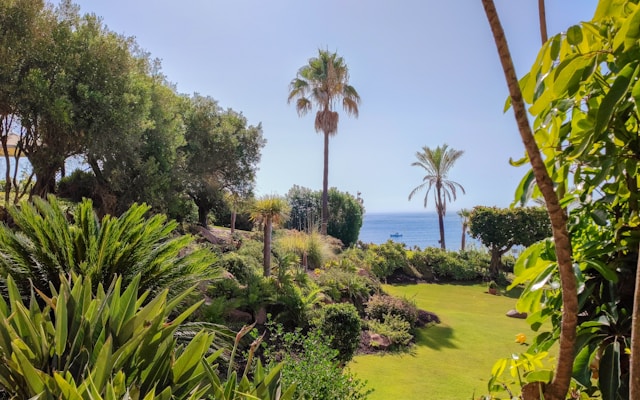
There’s something about tropical gardens that instantly transports you to a sun-soaked paradise: lush green leaves, brilliant splashes of color, towering palms swaying in a breeze, and the sense of being surrounded by vibrant life. Whether you’re dreaming of redesigning your backyard, imagining a relaxing outdoor space, or just curious about what makes a garden tropical, this guide will walk you through everything you need to know in a friendly and easy-to-digest way.
What a tropical garden is
At its heart, a tropical garden is all about exuberant plant life — big leaves, bold colors, dense planting, and a feeling of lush abundance. Traditionally, tropical gardens are found in tropical regions near the equator, where warm temperatures and high humidity help plants grow fast and in dense layers. But these days, thanks to creative gardening and plant selection, tropical-style gardens can be created just about anywhere — even in cooler climates — with a little creativity.
Unlike neat, minimalist gardens with carefully spaced borders, tropical gardens are meant to feel alive — a bit wild, a bit untamed, and always rich with texture and diversity. Imagine stepping into a space where giant banana leaves brush past your shoulders, colorful flowers pop against deep green backdrops, and water features or shaded seating areas make you want to pause and breathe. That’s the vibe most gardeners aim for.
The influence of the tropical climate
Before we dive into designing one, it helps to understand what makes a tropical garden tropical. In nature, tropical climates are defined by consistent warmth and high humidity. There are typically two main seasons: a wet season and a dry season, but even the dry periods aren’t exactly cold. This climate supports year-round plant growth and creates multiple layers of vegetation — tall trees, mid-level shrubs, and groundcovers all growing together.
That layered look — tall plants, medium plants, then low carriers — is part of what gives a tropical garden its visual depth and "jungle feel". You can mimic this even in cooler places by picking plants with similar shapes and textures and arranging them in layered groupings.
Design basics
The design principles of a tropical garden are very different from, say, a minimalist Japanese garden or a classic English cottage garden. Here’s what makes a tropical design special:
Dense planting and layers
In true tropical landscapes, plants grow close together — and your garden should feel that way too. Tall palms or broad-leaf plants create a canopy, while medium and small plants fill in the lower areas. Having plants crowded together also helps trap moisture and create a humid microclimate that benefits the plants themselves.
Bold color and texture
Tropical gardens aren’t shy. They celebrate striking colors and textures:
- Huge leaves like those of banana plants or elephant ears
- Bright flowers like hibiscus, heliconia, and plumeria
- Variegated or colored foliage — reds, yellows, purples — to create contrast
This isn’t about one shade of green. It’s about combining shapes, sizes, and tones so your garden feels vibrant and exciting.
Paths, layers, and visual flow
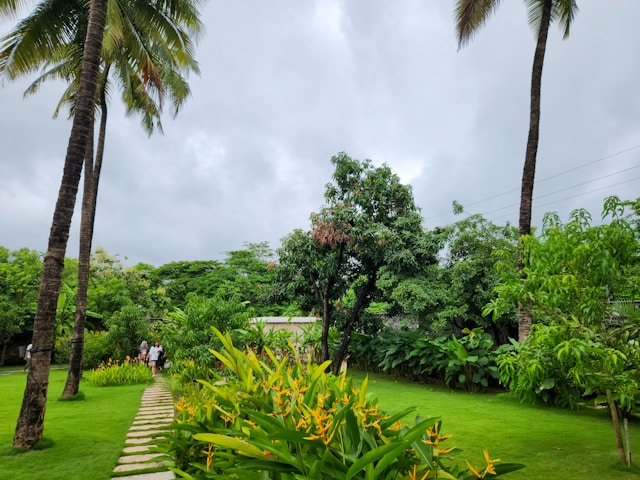
Rather than big open lawns, tropical gardens often use meandering paths that draw you through lush plantings. Paths made of stone, wood, or pebbles help create a sense of mystery — you never know what delightful corner or bloom is around the bend.
Water features and mood
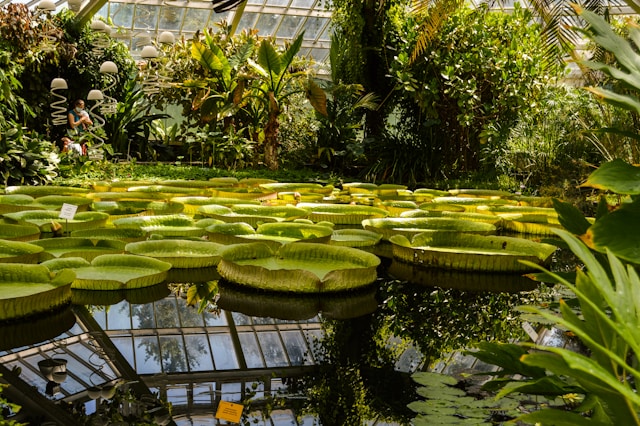
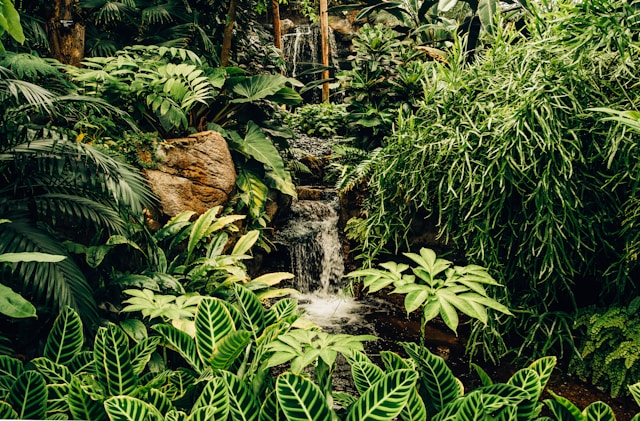
Integrating water — whether it’s a pond, small waterfall, fountain, or simple birdbath — adds another level of sensory richness. The sound of moving water makes the garden feel even more alive and helps elevate mistiness and humidity.
Choosing plants
There’s no single list of "must-have" tropical plants, but there are some favorites that consistently deliver that lush, exotic feel. Here are some great options:
Big foliage
- Banana plants — Giant leaves that scream tropical vibes.
- Elephant ears — Dramatic leaf shapes and sizes.
- Palms — Classic tall silhouettes that give height and shade.
- Tree ferns and cycads — Great for texture and architectural impact.
Flowers
- Hibiscus — Large, vibrant blooms in red, pink, orange, and yellow.
- Plumeria — Sweet-scented blooms and island vibes.
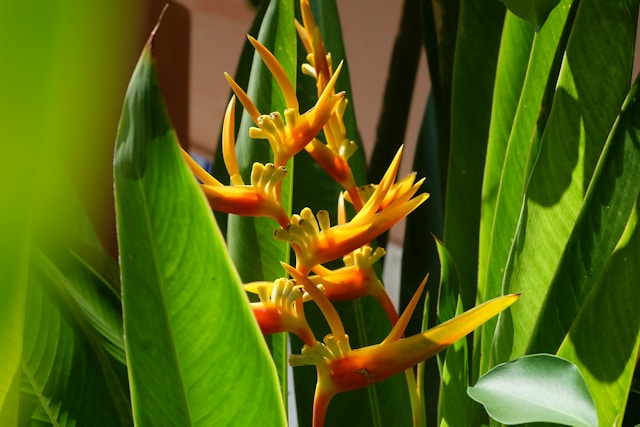
- Heliconia — Bold, sculptural flowers in eye-popping hues.
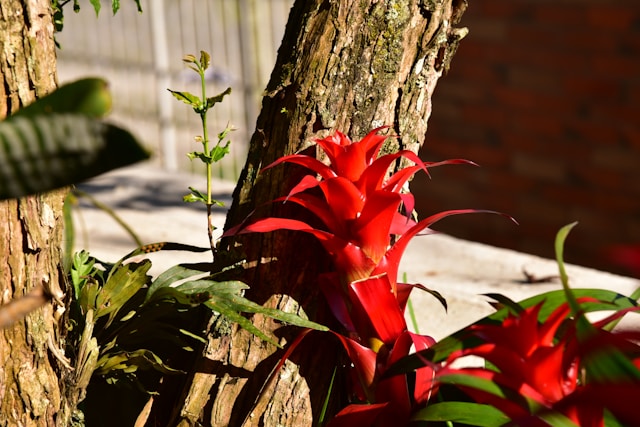
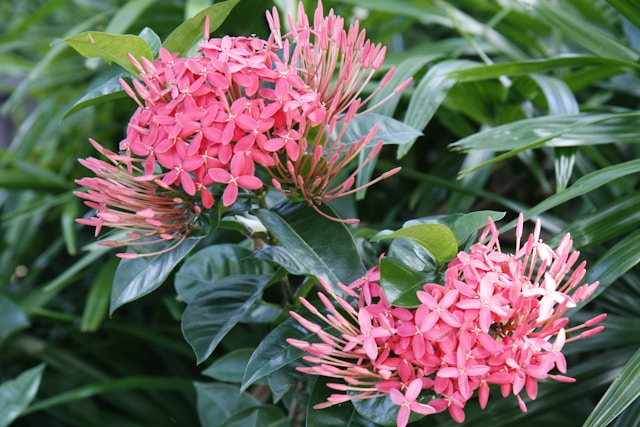
- Gingers and bromeliads — For striking textures and colors.
Filler foliage
- Ferns — Soft fronds add lush undergrowth.
- Bromeliads — Often colorful and easy to spot.
- Crotons — Brilliant foliage colors for contrast.
Don’t worry if you don’t live in a tropical place — many of these plants can thrive in subtropical or temperate gardens with a bit of care, or you can use potted versions brought inside during colder months.
Growing outside the tropics
One of the coolest things about tropical garden design is that you don’t need to live near the equator to adopt the style. Gardeners in subtropical and even cooler regions often use plants that have similar forms and textures to tropical species — things like hardy palms, banana varieties suited for cooler climates, and large foliage perennials — to create that same vibe.
For colder places, consider:
- Choosing hardy tropical-looking plants that tolerate frost
- Using containers so you can bring plants indoors
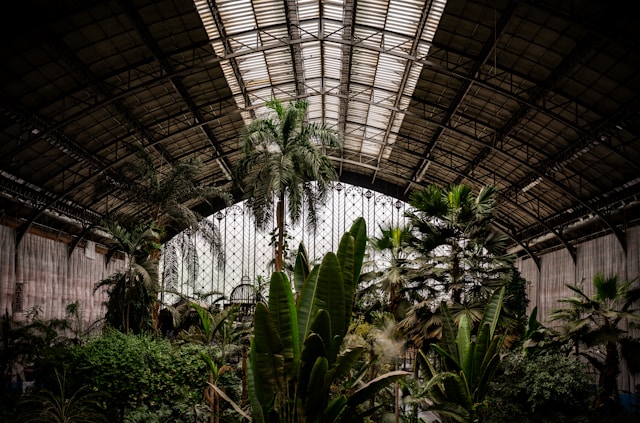
- Building greenhouses or covered garden spaces for sensitive species
Even if you can’t grow everything outdoors year-round, containers and greenhouses let you mix and match real tropical plants with structural elements that create that lush feel.
Maintaining it
Here’s where tropical gardens have a bit of a reputation: they take work — especially if you’re trying to grow them outside their native climate.
Water and humidity
Tropical plants love moisture. That means regular watering, ensuring soil stays humid, and often using irrigation systems or irrigation timers — especially if you’re in a dry area. But here’s the twist: too much water can also cause problems like root rot. Balancing moisture is key, and good drainage is just as important as frequent watering.
Fertilizing
Rich, organic soil helps tropical plants thrive. Adding compost or organic fertilizers gives them the nutrients they crave. Mulch helps retain moisture and slowly feeds the soil as it breaks down.
Pruning and space management
Dense planting looks great, but it also means your plants will grow fast and sometimes get unruly. Regular pruning keeps them in check and encourages healthier growth. And planning access paths makes maintenance easier and keeps your garden feeling like a space you want to be in — not just somewhere you work in.
Winter care for tender plants
For plants that aren’t cold-tolerant, bring them indoors or into a greenhouse during winter. Mulching around sensitive roots or placing frost cloths over potted plants can help in places that get occasional cold snaps.
Design inspiration
Tropical garden design isn’t one-size-fits-all.
Resort style
This is the dream vacation look — lush planting with water features, hammocks, natural stone paths, and seating areas. Imagine a Bali resort-style garden that feels like an outdoor living room.
Contemporary tropical
Clean hardscape elements like gravel or structured paving, combined with dramatic tropical plants, create a sleek, modern look that still feels lush.
Jungle natural
This style mimics nature with informal, layered planting and fewer straight lines — the wild, untamed version of a tropical garden.
Wrapping up
If you’ve ever walked into a tropical greenhouse or a lush public garden and felt an instant sense of calm, warmth, and escape, you’re not alone. Tropical gardens are about sensory experience — big leaves that catch your eye, colors that make you smile, and spaces that feel alive with energy. They don’t have to be formal or perfect; they just have to feel lush.
Whether you’re planting one in the backyard or dreaming of a tropical refuge in your mind, the principles are simple: mix bold plants, embrace layers, and don’t be afraid of color or density. With a bit of planning and love, you can create your own little jungle paradise — even far from the equator.