Designing and maintaining an alpine garden
By: Maggie & Pippa C.
Date: 14 January 2026
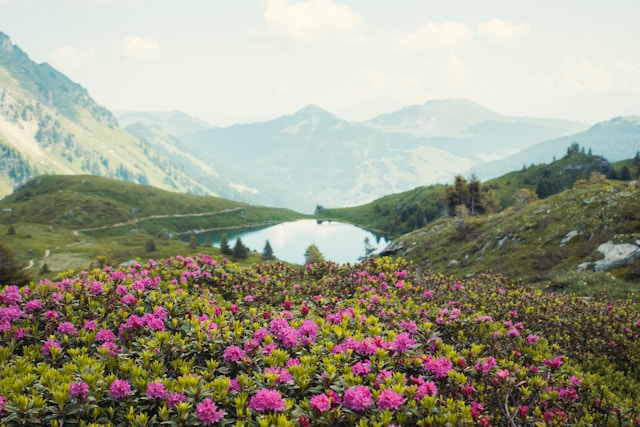
Imagine a garden that feels wild yet curated, with tiny jewel-like flowers peeking out of rocky crevices, hardy plants hugging the earth close to the ground, and a sense of quiet, serene beauty — like you’ve brought a slice of the mountain slopes right into your backyard. That’s the magic of an alpine garden.
Alpine gardens are special because they showcase plants from the high elevations of the world — places like the Alps, Himalayas, Rockies, Pyrenees, Andes, and Caucasus — where conditions are harsh and only the toughest plants survive. But don’t worry: you don’t need to live in the mountains to grow one. With a bit of know-how and creativity, you can create an alpine-inspired garden almost anywhere.
What an alpine garden is
An alpine garden is a type of garden focused on growing alpine plants — plants that are naturally adapted to high-altitude environments above the tree line, where the growing season is short and the weather can be harsh. These plants have evolved to withstand strong winds, fierce sunlight, cool nights, and rocky, nutrient-poor soils.
Alpine gardens often mimic the conditions of their natural habitat by incorporating rocks, gravel, excellent drainage, and open exposure to sun. While many people associate alpine gardens with traditional "rock gardens", the emphasis really is on the plants: tiny, often low-growing species that look right in open, minimal soil spaces.
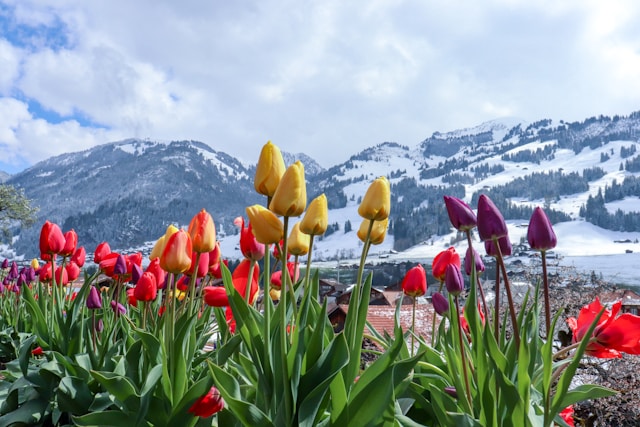
One cool thing? You don’t actually have to be at high altitude to grow an alpine garden — we just try to replicate those mountain conditions in our own yards or containers at lower elevations.
The origin of alpine gardens
Alpine gardens started as a way for people to study and enjoy mountain flora up close. The idea goes back over a century — for example, one early alpine garden was created in Austria in the late 1800s to grow plants from high elevations where they naturally belonged.
Over time, enthusiasts around Europe and beyond began building alpine displays because these plants are so distinctive and beautiful. Today, botanical gardens from Switzerland’s Schynige Platte Alpine Garden to France’s Jardin botanique alpin du Lautaret showcase thousands of alpine species in settings inspired by their native environments.
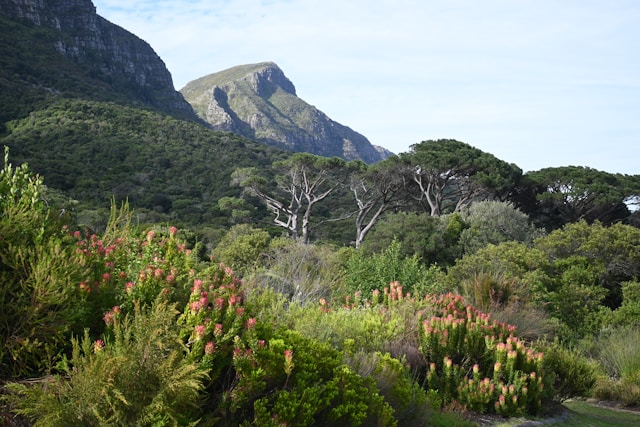
Characteristics of alpine plants
Alpine plants have lots of clever traits to survive tough mountain conditions:
Low and compact growth
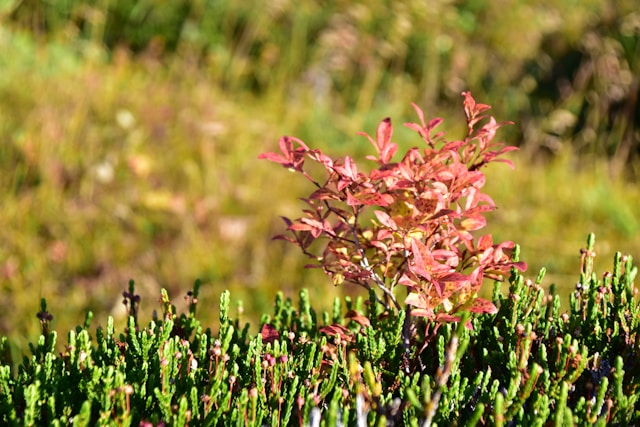
Most alpine species stay close to the ground in a tight, compact form — this helps them avoid wind damage and conserve moisture.
Like good drainage
They’re adapted to rocky, rapid-draining soils and can hate sitting in soggy ground. That means you’ll often see them in rockeries, raised beds, or gravelly soil mixes in gardens.
Sun and cold resistant
Alpine plants can take strong sun and cold nights, and many also tolerate dry spells — great if you want a garden that’s more resilient.
Small but beautiful flowers
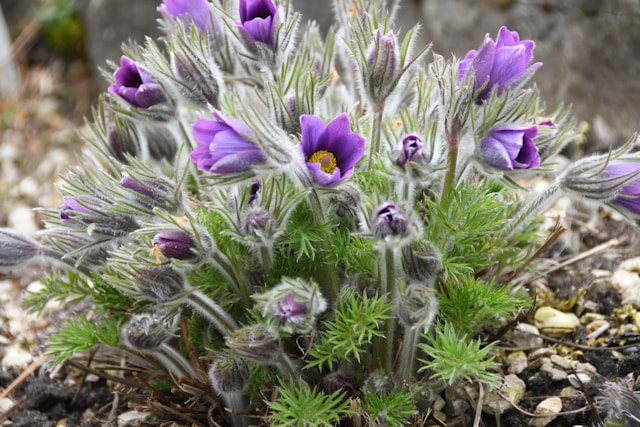
Their blooms aren’t always huge, but they are often colorful and showy relative to their size, making alpine gardens feel like a carpet of delicate, jewel-like blooms.
Design basics
Alpine gardens don’t have to feel strict or controlled — in fact, part of their charm comes from looking like a natural rock slope or mountain meadow. Here’s how to get that look:
Start with good drainage
Drainage is everything. Alpine plants don’t like wet feet, so use gravel, coarse sand, or rock bases. Raised beds or rockeries let water drain away fast and keep roots happy.
Use rocks, gravel, and crevices
Alpine plants love to sit in cracks and crevices — just like they do on real mountain slopes. Arrange rocks so that soil pockets form natural "home bases" for plants.
Plant in groups
Group plants with similar needs together. This makes them easier to care for and also gives your garden a more natural, meadow-like feel.
Keep it low
Since most alpine plants grow close to the ground, keep your tallest elements under control and let the smaller species create layers of texture and color.
Use minimal mulch
Alpine gardens aren’t about rich, thick soils. Keep organic matter low and gravel up high — it helps replicate mountain landscapes.
Choosing plants
Alpine gardens can include a range of hardy, tiny plants that are perfect for rockeries, troughs, and containers. Here are some favorites that look great and are enjoyable to grow:
- Saxifraga – lots of species with different colors and textures.
- Primulas – cheerful early spring bloomers.
- Alpine Pinks – compact and fragrant.
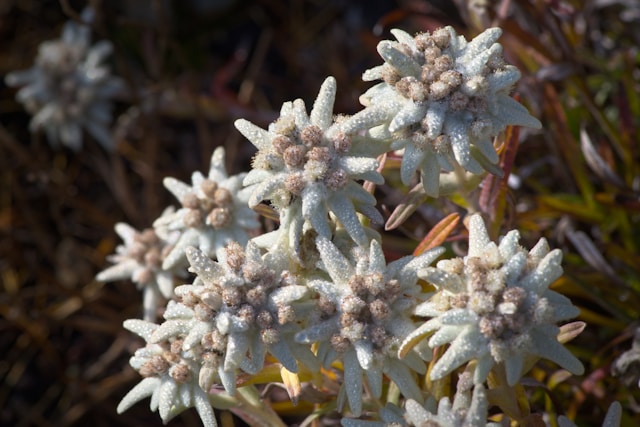
- Edelweiss – star-shaped white blooms.
- Gentians – deep blue flowers that look striking.
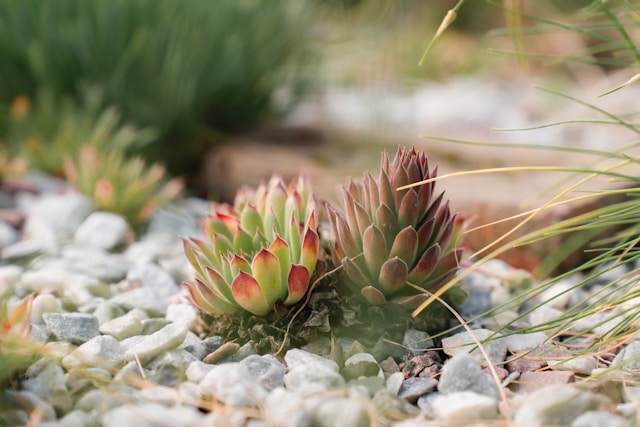
- Sedum and Sempervivum – succulent-like groundcovers.
These plants generally stay small but are bold in color and texture, perfect for alpine settings.
Growing outside the mountains
One of the best things about alpine gardening is that you don’t need to live near the Alps or Rockies to enjoy it. With the right setup, you can build an alpine garden in:
- A backyard rock garden
- Raised beds with excellent drainage
- Containers or troughs on a patio
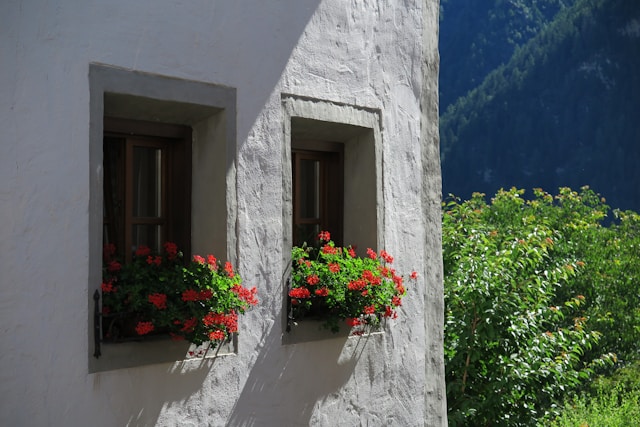
- A balcony garden with gritty soil and full sun
This makes the alpine style great for both big and small spaces. Just remember the core principles: good drainage, sunny exposure, and soil that won’t stay soggy.
Maintaining it
Alpine plants are generally low-maintenance once established, but there are a few important care tips:
Keep them dry in winter
Even though these plants are hardy, cold wet soil can be their enemy. Make sure soil doesn’t get waterlogged in winter by using rock mulch and raised beds.
Give them sunlight
Alpine plants often come from places with bright sun — so the sunnier your spot, the happier they’ll be.
Water Sparingly
Unlike tropical or lush gardens, you don’t want lots of moisture. Water only when the soil is dry and let plants rest during dormancy.
Groom and renew
Remove dead foliage and spent blooms to keep your alpine garden tidy and help new growth shine.
Wrapping up
Creating an alpine garden is about more than just planting tough little flowers — it’s about capturing a scene from the mountains and bringing it into your own space. You get texture, color, resilience, and sometimes surprising beauty from plants that might seem delicate at first glance but are truly rugged at heart.
Alpine gardening rewards patience and creativity. It’s perfect for people who love rocks, gravel, small blooms, and an understated kind of elegance that feels both natural and artistic. Whether you’re working with a tiny balcony trough or a sweeping backyard rockery, alpine gardens offer a unique and endlessly rewarding way to garden.