Meet lemon myrtle, the citrus star of the garden
By: Maggie & Pippa C.
Date: 13 April 2026
Source | License | No changes were made.
What it is
Lemon myrtle is an evergreen tree known for having one of the strongest natural lemon aromas found in any plant. Its scientific name is Backhousia citriodora, and it has been used for generations in Australia as a culinary herb, a tea ingredient, and a source of essential oils. Gardeners love it for the fresh citrus scent released when the leaves are touched.
How it looks
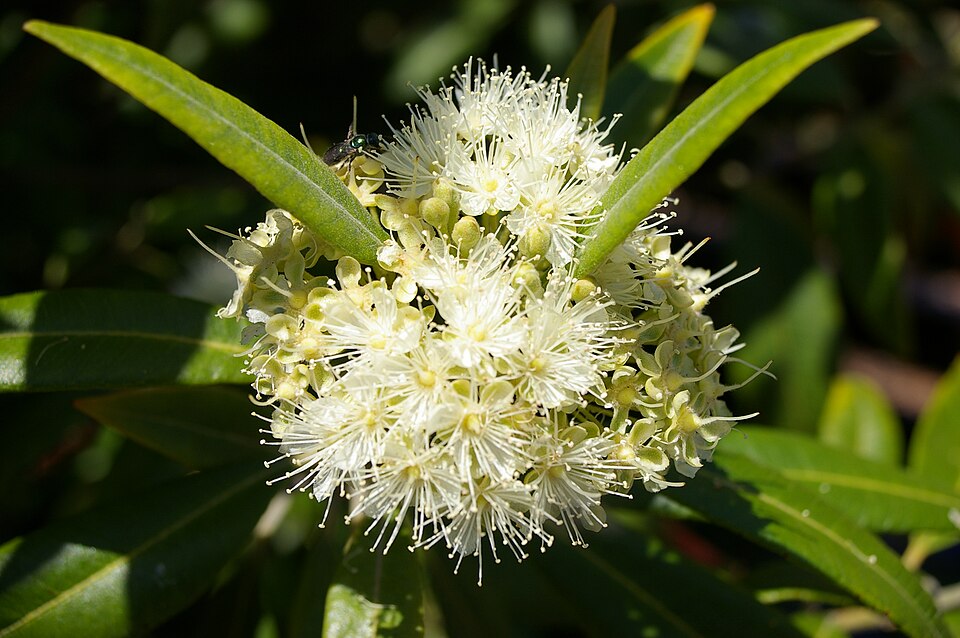
This plant has smooth, glossy leaves that are narrow, pointed, and bright green. When crushed, they release a clean, sweet lemon fragrance that’s stronger than regular lemons. The tree can grow 3 to 8 meters tall when cultivated, though it becomes much taller in the wild. In summer, the branches fill with clusters of small white flowers that look fluffy and delicate, attracting bees and butterflies.
Where it is from
Lemon myrtle is native to the warm, humid rainforests of eastern Australia, especially Queensland. It naturally grows along slopes and sheltered forest areas where it gets consistent moisture and filtered sunlight. The plant has long been part of Aboriginal cultures, both as a food flavoring and a traditional remedy.
How to grow it
Lemon myrtle prefers warm climates, plenty of sun, and soil that drains well. It handles light shade, but full sun brings out the best leaf aroma. Regular watering helps it grow fast, especially while young, though it doesn’t like soggy soil. If grown in a pot, choose a large container and refresh the topsoil each year. In cooler climates, it can be kept as a patio plant and brought indoors during cold months.
- Use well-draining soil with plenty of organic matter.
- Water regularly, especially during hot seasons.
- Prune lightly to keep a compact shape and encourage new growth.
- Avoid frost, as the plant is not cold-hardy.
What it is used for
The leaves are the star of this plant. Fresh or dried, they add a bright lemon flavor to dishes like grilled fish, salads, desserts, and herbal teas. The essential oil, which is very high in citral, is used in soaps, perfumes, candles, and natural cleaning products. Traditionally, the leaves were brewed as a tea for soothing the throat and calming the body.
Interesting facts
- The lemon scent of the leaves comes mainly from citral, which makes up more than 90% of its essential oil.
- It is often called the "queen of lemon herbs" because its aroma is stronger than lemongrass, lemon balm, or lemon verbena.
- When grown in the wild, it can reach over 20 meters tall, much larger than garden-grown plants.
- Its flowers attract a lot of pollinators, making it helpful for biodiversity in gardens.